Mastering Drywall Texture Sprayers: Achieve Professional Finishes with Unrivaled Precision
For professional contractors, construction companies, and even dedicated DIY enthusiasts, achieving a flawless, consistent drywall texture finish is paramount. It’s not just about aesthetics; it’s about efficiency, durability, and a reputation built on superior craftsmanship. At Benron, we understand these demands, which is why our specialized drywall texture sprayers are engineered to deliver unmatched performance and reliability, project after project. We strive to exceed all industry standards in every product we make, ensuring your projects stand out.
Why Choose a Professional Drywall Texture Sprayer?
In the fast-paced world of commercial and residential construction, time is money. Unexpected equipment breakdowns or inconsistent material application can lead to costly delays, rework, and ultimately, eroded profits. A high-quality drywall texture sprayer offers an unparalleled advantage:
-
- Superior Efficiency: Cover large areas quickly and uniformly, drastically reducing labor costs and project completion times. Our designs are customer-centric, focused on making the contractor’s job easier.
- Unmatched Consistency: Achieve uniform texture patterns across entire surfaces, eliminating the inconsistencies inherent with manual application methods. This reliability is crucial when your reputation hinges on the quality of your work.
- Exceptional Finish Quality: Deliver a professional-grade finish that impresses clients and passes rigorous inspections. Our patented designs have been recognized and tested in jobs all over the world, guaranteeing excellence.
- Versatility: Adapt to various texture types and materials, providing flexibility for diverse project requirements.
Our advanced air atomization technology ensures controlled spray application, eliminating the uncontrolled material blasting often associated with inferior equipment. This precision empowers you to create stunning finishes with less material waste and greater control.
Understanding Your Drywall Texture Sprayer: Key Components and Operation
To truly master your texture application, a thorough understanding of your equipment is essential. Benron texture sprayers are designed for robust performance and ease of use.
The Power of Air Atomization
At the heart of our drywall texture sprayers is a meticulously engineered air atomization system. Unlike other methods, this system uses compressed air to precisely atomize and propel material through the nozzle. This creates a fine, even mist or a carefully controlled spatter, depending on your desired texture. The result is a smooth, consistent application without the heavy, uneven patterns that can plague less sophisticated equipment. When you buy a Benron product, you can rest assured that you are receiving the highest quality product available in the market at the most competitive prices. Guaranteed.
Air Compressor Requirements
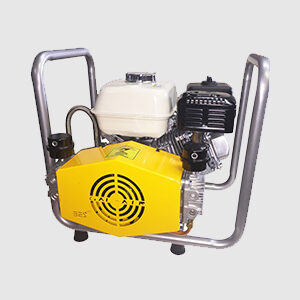
Optimal performance of your drywall texture sprayer hinges on an adequate and consistent air supply. We recommend an air compressor capable of delivering 9 CFM @ 30 PSI, or larger. This specific requirement is critical because:
-
- Consistent Pressure: Maintains a steady spray pattern, preventing sputtering or uneven application.
- Sufficient Volume (CFM): Ensures continuous material flow and atomization, particularly for larger areas or denser textures, without the compressor constantly cycling, which can degrade finish quality and shorten compressor lifespan.
Using a compressor that doesn’t meet these specifications can lead to inconsistent textures, increased material waste, and frustrating downtime. Invest in the right air supply to unlock your sprayer’s full potential.
Achieving Flawless Finishes: A Step-by-Step Guide to Operation
Achieving a professional texture finish is a systematic process. Follow these steps for optimal results with your Benron sprayer.
Step 1: Material Selection and Mixing Perfection
The foundation of any great texture is properly prepared material. For drywall textures, common choices include:
-
- All-Purpose Joint Compound: Versatile for most textures.
- Topping Compound: Lighter, smoother finish, often used for final coats.
- Setting-Type Compound (Hot Mud): Dries quickly, good for repairs, but can be challenging to spray due to rapid hardening.
Mixing for Consistency:
Achieving the correct viscosity is paramount. Generally, you’ll want a consistency similar to pancake batter for finer textures like orange peel, and thicker, like cottage cheese, for heavy splatter or popcorn.
-
- Always mix joint compound thoroughly with clean water.
- Add water gradually, stirring continuously with a paddle mixer attached to a drill.
- Ensure there are no lumps or dry pockets, as these will clog your sprayer.
- Strain the mixed compound through a mesh screen if necessary to catch any impurities.
Step 2: Sprayer Setup and Connection
Proper setup ensures seamless operation.
-
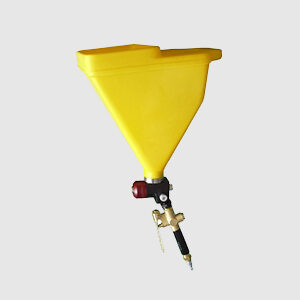
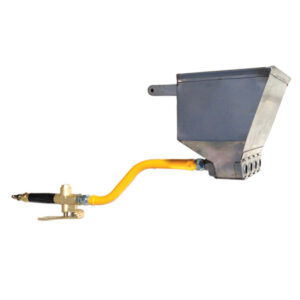
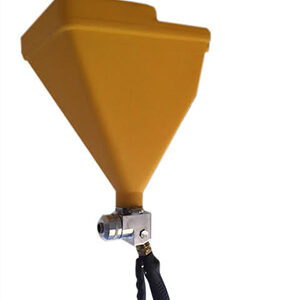
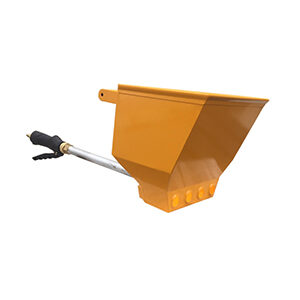
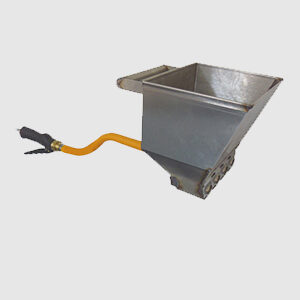
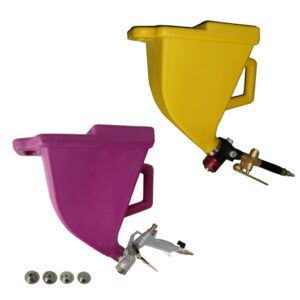
- Attach Hopper: Securely fasten the material hopper to your sprayer.
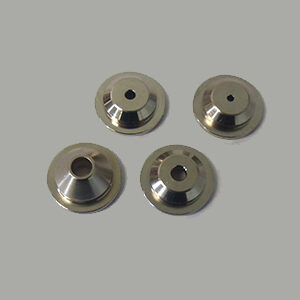
- Select Nozzle: Choose the appropriate nozzle size for your desired texture (smaller for fine, larger for heavy).
- Connect Air Hose: Attach your air compressor’s hose firmly to the sprayer’s air inlet valve. Ensure all connections are tight to prevent air leaks.
- Fill Hopper: Pour your perfectly mixed joint compound into the hopper.
Step 3: Dialing In Your Settings
Precise adjustments are key to controlling your finish.
-
- Air Pressure Adjustment: Begin with a lower pressure (e.g., 20-25 PSI for orange peel) and gradually increase as needed. Higher pressure typically results in a finer spray pattern; lower pressure creates heavier spatter.
- Material Flow Control: Use the material valve to adjust the volume of compound flowing to the nozzle. Practice on a test board to find the right balance between air pressure and material flow.
- Test Spray: Always test on a scrap piece of drywall or cardboard before applying to your actual surface. Adjust settings until you achieve the desired pattern and consistency.
Step 4: Mastering Application Techniques
Technique dictates the final appearance.
-
- Consistent Distance: Maintain a uniform distance (typically 18-24 inches) from the surface for an even application.
- Even Passes: Use steady, overlapping passes. Start and stop the spray just beyond the edges of your work area.
- Layering: For heavier textures, apply multiple light coats rather than one thick layer to avoid drips and sags.
Exploring Drywall Texture Finishes: A Gallery of Excellence
Our sprayers empower you to create a range of popular drywall textures, each adding unique character to a space.
Orange Peel Texture
This popular finish resembles the subtle dimpled surface of an orange peel. It’s achieved by applying a fine, even splatter of thin joint compound. Start with lower material flow and higher air pressure, using quick, overlapping passes. It offers durability and helps hide minor surface imperfections.
Knockdown Texture
Knockdown texture begins with an orange peel or splatter application, which is then lightly flattened, or “knocked down,” with a drywall knife or trowel after it has partially dried. This creates a distinctive, rustic yet refined look with subtle peaks and valleys. Achieve the initial spray with a medium-thin compound and moderate air pressure, allowing the material to stand proud before the knockdown.
Splatter Texture (Popcorn/Acoustic)
Often called “popcorn” or “acoustic” texture, this finish features distinct, raised clumps of material, creating a highly textured surface. It’s excellent for concealing imperfections and providing some sound dampening. Use a thicker, lumpier consistency of compound and a larger nozzle size with lower air pressure to achieve distinct splatters. For a truly heavy popcorn, specific aggregate can be added to the mixture.
Maintenance and Longevity: Protecting Your Investment
Your Benron drywall texture sprayer is built for years of reliable service. Proper maintenance is key to ensuring its durability and optimal performance, safeguarding your investment.
Post-Use Cleaning Protocol
Clean your sprayer immediately after each use to prevent material from drying and clogging. This is crucial for seamless operation on your next project.
-
- Empty Hopper: Remove any remaining joint compound.
- Rinse Thoroughly: Fill the hopper with warm water and spray it through the system until the water runs clear. Repeat several times.
- Disassemble (If Necessary): For a deeper clean, disassemble the nozzle assembly and material tube. Use a brush to remove any stubborn residue.
- Wipe Down: Clean the exterior of the sprayer with a damp cloth.
Tip and Nozzle Care
Nozzles are critical for spray pattern consistency.
-
- Inspect Regularly: Check nozzles for wear, damage, or clogs.
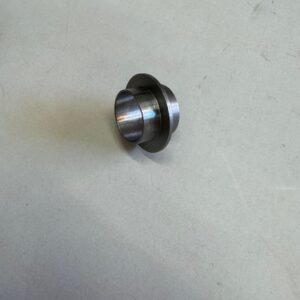
- Unclog Carefully: Use a non-metallic tool or a stiff brush to clear any blockages. Never use metal objects that could damage the orifice.
- Replace When Worn: Worn nozzles lead to inconsistent spray patterns and should be replaced.
Storage Best Practices
When not in use, proper storage protects your equipment.
-
- Dry Completely: Ensure all components are dry before storing to prevent corrosion.
- Store in a Clean, Dry Place: Protect from dust, extreme temperatures, and moisture.
- Lubricate (If Recommended): Follow manufacturer guidelines for any recommended lubrication of moving parts.
Troubleshooting Common Drywall Texture Sprayer Issues
Even with top-tier equipment, occasional issues can arise. Here’s how to resolve common problems:
-
- Clogging:
Cause: Improperly mixed compound, dry material, or too-large aggregates.
Solution: Removethe nozzle and clean thoroughly. Ensure material is properly mixed and strained. Increase nozzle size if material is too thick.
-
- Inconsistent Spray Patterns:
Cause: Incorrect air pressure, improper material consistency, worn nozzle, or air leaks.
Solution: Adjust air pressure and material flow. Check for air leaks in connections. Replace worn nozzles. Ensure consistent material mix.
-
- Sputtering:
Cause: Low air pressure, insufficient material in hopper, or partial clog.
Solution: Check air compressor output and hose connections. Refill hopper. Inspect for and clear any clogs.
Safety First: Operating Your Drywall Texture Sprayer Responsibly
Your safety is paramount. Always observe these precautions when operating your drywall texture sprayer:
-
- Personal Protective Equipment (PPE): Always wear a NIOSH-approved respirator, safety glasses or goggles, gloves, and appropriate clothing to protect skin. Hearing protection is also recommended due to compressor noise.
- Ventilation: Ensure adequate ventilation in your workspace to prevent inhalation of airborne particulates.
- Clear Workspace: Keep your work area free of obstructions and tripping hazards.
- Read Manual: Always refer to your sprayer’s operating manual for specific safety instructions and guidelines.
The Benron Advantage: Innovation You Can Trust
When it comes to high-stakes projects, you cannot afford to compromise on quality or reliability. Benron stands apart, offering custom-built texture sprayers featuring patented designs and revolutionary technology. Our products are always made in the U.S., guaranteeing superior performance and durability to meet specific job requirements while consistently exceeding industry standards. Our unwavering commitment to innovation and craftsmanship ensures that when you choose Benron, you’re investing in equipment that empowers your team to deliver exceptional results with unparalleled efficiency. We make your job easier, so you can focus on what you do best.
Conclusion
Mastering the art of drywall texturing transforms ordinary surfaces into works of art, significantly enhancing the value and aesthetic appeal of any project. With a professional drywall texture sprayer from Benron, you gain the precision, efficiency, and reliability needed to tackle any challenge with confidence. Experience the difference that quality, innovation, and a customer-centric approach can make. Choose Benron, and elevate your craftsmanship to the highest level.
FAQ Section
Q1: What types of joint compound can I use with a drywall texture sprayer?
You can typically use all-purpose joint compound, topping compound, or even setting-type compounds (hot mud) with a drywall texture sprayer. The key is to mix them to the correct consistency—thin for fine textures like orange peel, and thicker for heavy splatter or popcorn. Always ensure the mix is lump-free and strain it if necessary to prevent clogs.
Q2: How much air pressure do I need for different textures?
Air pressure requirements vary based on the desired texture. Generally, lower air pressure (e.g., 20-25 PSI) with a larger nozzle creates heavier, more pronounced splatters, while higher air pressure (e.g., 30-40 PSI) with a smaller nozzle produces finer, more atomized textures like orange peel. Always test on a scrap board to dial in your settings.
Q3: How often should I clean my drywall texture sprayer?
It is critical to clean your drywall texture sprayer immediately after every use. Allowing joint compound to dry inside the hopper, material tubes, or nozzles will lead to clogs and significantly reduce the sprayer’s efficiency and lifespan. A thorough cleaning ensures your equipment is ready for the next job without hassle.
Q4: Can I use a drywall texture sprayer for outdoor stucco or EIFS applications?
While this article focuses on drywall texture, Benron does manufacture specialized sprayers designed for heavy-duty applications like stucco, EIFS, and fireproofing. These dedicated machines are built to handle the unique consistencies and demands of exterior materials. Consult our product catalog or speak with a Benron expert to find the ideal sprayer for your specific stucco or EIFS project needs.
Q5: What makes Benron sprayers more reliable than others?
Benron sprayers are renowned for their reliability due to several factors: they are always made in the U.S. with the highest quality parts, feature patented designs developed through extensive testing, and are custom-built to order. This dedication to superior craftsmanship and innovation ensures our equipment delivers consistent, dependable performance, making your job easier and preventing costly project delays. Our products are built to last, providing years of reliable service.
Drywall Texture Sprayers
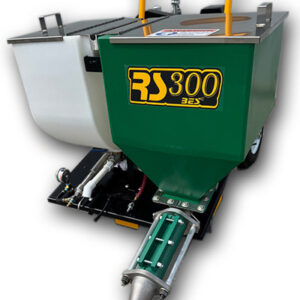
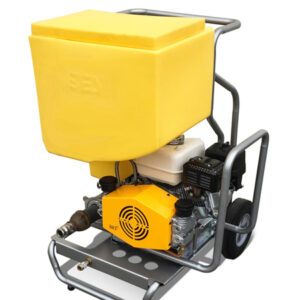
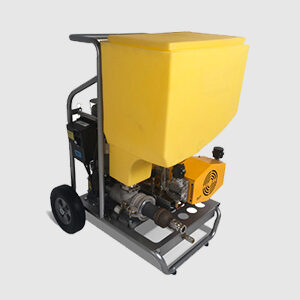
Rotortex 19-245-EG Electric Texture Sprayer
This heavy duty texture sprayer was built with productivity in mind: Our machine comes with an extra large capacity hopper that holds up to 18 gallons of material. As a result, this large hopper size reduces the time spent refilling its interior with material. Moreover, this construction spraying equipment also features a lid to protect the material from any foreign debris. At the same time, its fan-cooled design protects the 120V DC motor from debris.
The Honda twin-cylinder air compressor helps the Rotortex 19-245-E deliver material up to 100 feet. In addition, precision can be controlled by adjusting material flow control.

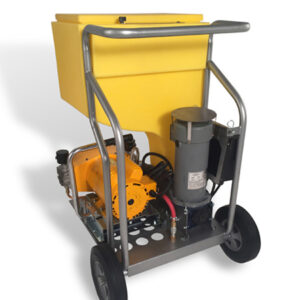
Rotortex 19-245-E Electric Texture Sprayer
Our E series equipment was designed to increase productivity. This machine was built with a completely enclosed fan-cooled design that protects the motor from dirt and debris. It comes with a 120V DC Motor, however it can also be upgraded to a 240V for more power.
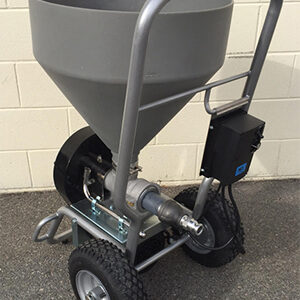
Rotortex 19-225 Electric Texture Sprayer
17-Gallon texture sprayer hopper for spraying well texture, Monokote-MK6 and decorative cement products.